Why Belonging to a Church Matters

Pastor Bart Leger •
May 26, 2026

4 Minute Read

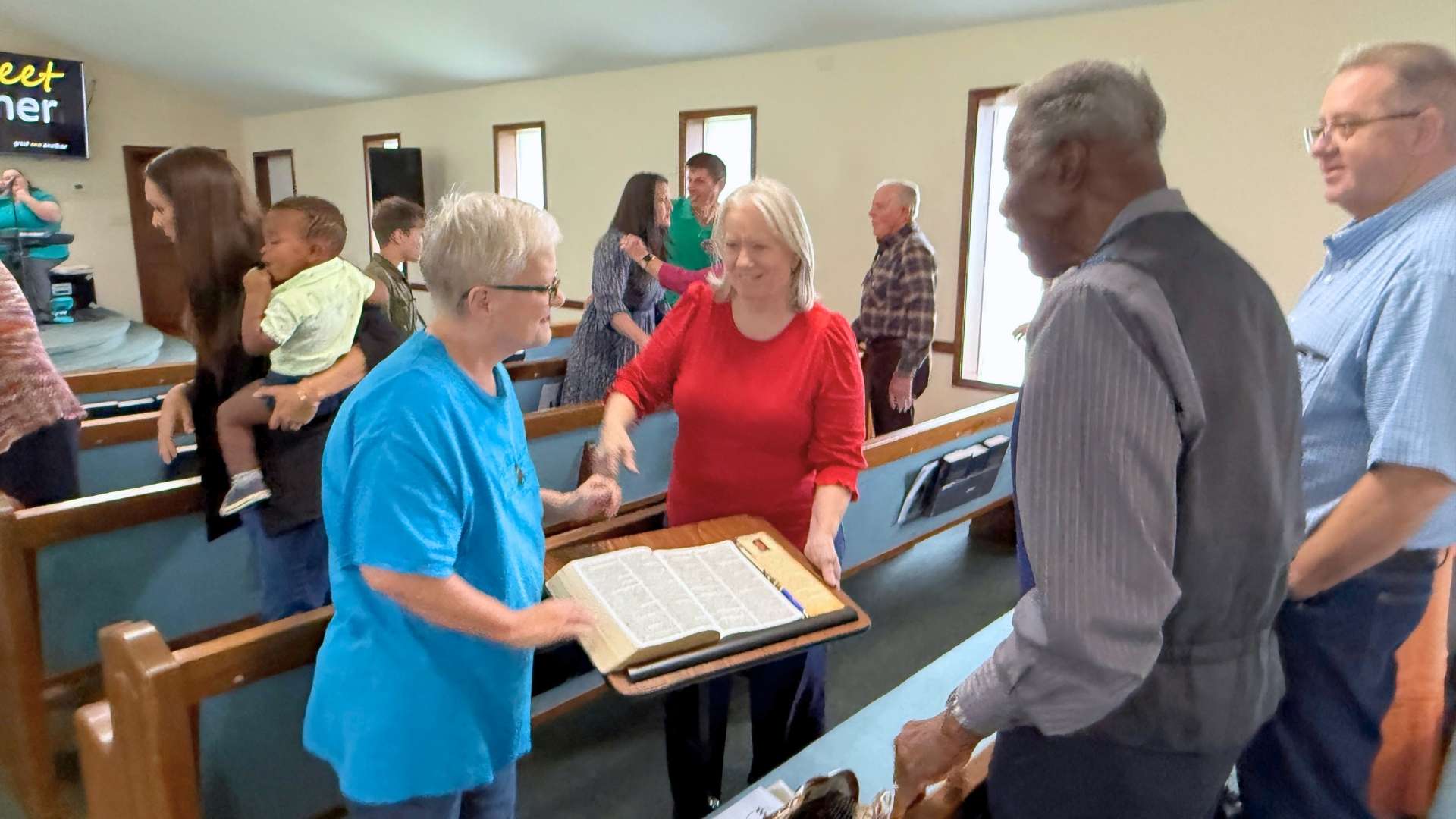
A lot of people think of faith as a private thing. Their walk with God happens between them and the Bible, with the closet door closed.
Why I need a church community image

There's something to that. Faith is personal. It's also more than personal. The way the Bible describes the Christian life, you can't really do it on your own.

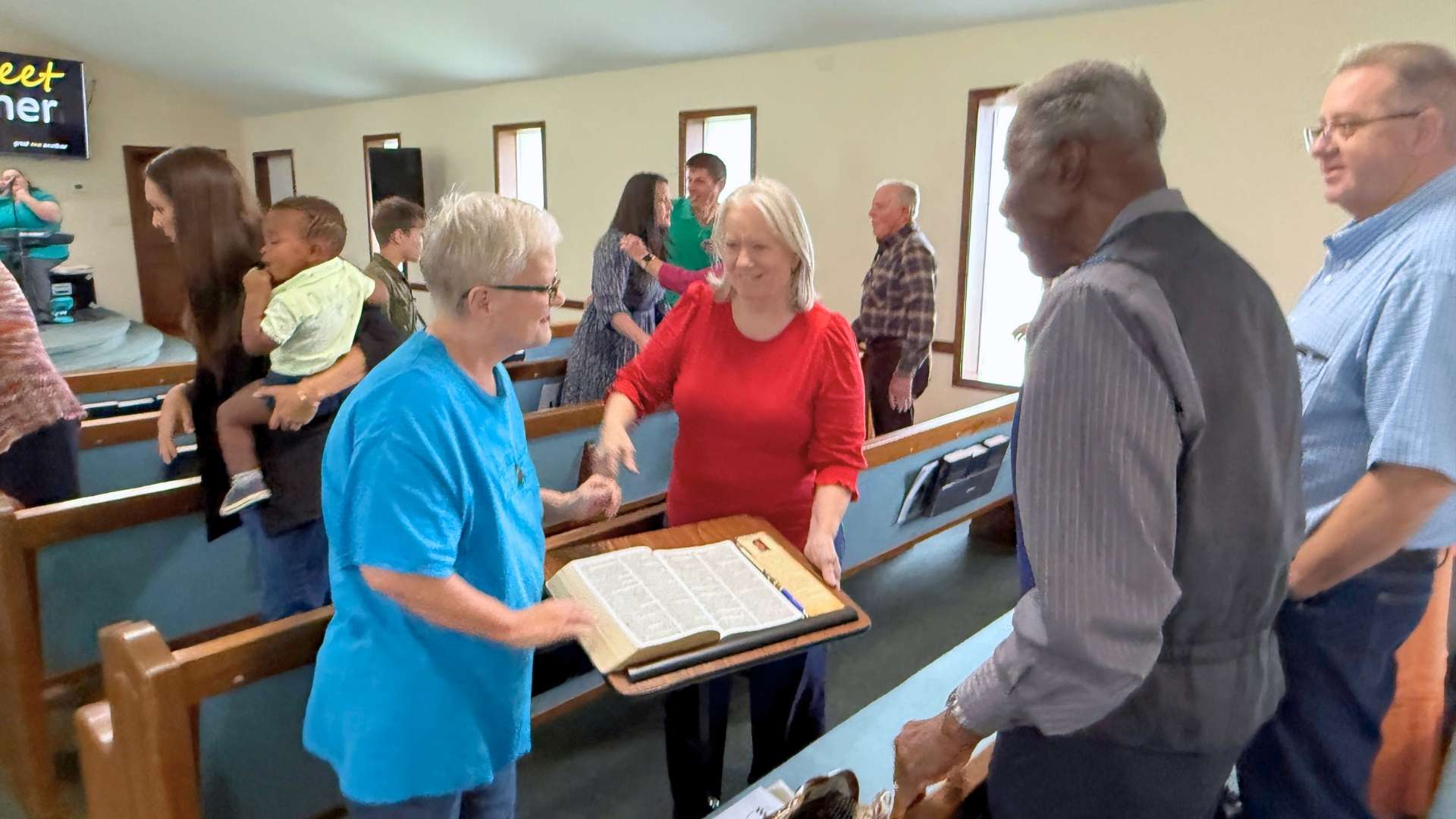
The point here is that you were made to belong to a community of people who follow Jesus together. Here's why it matters.

Faith grows in community

You can read the Bible alone. You can pray alone. But there are things you only learn from other Christians.

How to keep going through grief, from someone who's been there. How to forgive a tough situation, from someone who's done it. These get passed person to person, life to life, in ways books can't replicate. A church family is where that happens.

Someone to carry it with you

Life will hand you things you can't carry on your own. The diagnosis. The loss you didn't see coming.

When that day comes, you need people who know you, who know your situation, and who will show up.

A church family is meant to be that. The people who pray for you when you can't pray for yourself. The people who bring meals and sit with you when there's nothing to say.

This is one of the deepest reasons God put us in churches. We were never meant to face the worst days alone.

Someone to celebrate with you

The good days need company, too. The promotion. The kid who came home.

If your good news only lives in your head, it loses something. Sharing it with people who love you and love God multiplies the joy.

A church family is where your wins get witnessed by people who know what they cost you.

Accountability that doesn't shame you

You'll hear the word "accountability" thrown around. It can sound harsh, like someone is going to track your sins and call you out.

Biblical accountability looks different. It's people who love you enough to ask how you're doing with the things that matter. They ask because they want you to keep growing, not to corner you.

You won't get this from acquaintances. It only happens with people you've trusted with the things you carry.

A place for your kids to grow up

If you have kids, a church family gives them something your home alone cannot. Other adults who know them and pray for them. Other kids who are trying to follow Jesus, too.

Your kids need to see that following Jesus is something a whole community does together. That changes how they understand it.

What the Bible says

The early church wasn't a once-a-week event. The book of Acts describes Christians who met together every day, sharing meals and resources, knowing each other's lives intimately:

"All the believers devoted themselves to the apostles' teaching, and to fellowship, and to sharing in meals (including the Lord's Supper), and to prayer. A deep sense of awe came over them all, and the apostles performed many miraculous signs and wonders. And all the believers met together in one place and shared everything they had. They sold their property and possessions and shared the money with those in need. They worshiped together at the Temple each day, met in homes for the Lord's Supper, and shared their meals with great joy and generosity—all the while praising God and enjoying the goodwill of all the people. And each day the Lord added to their fellowship those who were being saved." (Acts 2:42–47, NLT)

The picture is bigger than a Sunday morning service. It's a community of people doing life together with Jesus at the center.

In Hebrews 10, the writer makes the same point in different words. He tells believers to "consider how we may spur one another on toward love and good deeds, not giving up meeting together, as some are in the habit of doing, but encouraging one another." (Hebrews 10:24-25, NLT)

Notice the warning. Some Christians had already gotten into the habit of skipping. The writer tells the rest not to follow them.

Final Thoughts

A church family doesn't make life easy. The people in it are imperfect, and they will let you down sometimes. You'll let them down, too.

But it's worth it anyway. The Christian life was never designed to be lived alone. The community of believers is where you grow as a Christian, and where people show up for each other.

If you've been trying to do this on your own, take a step toward a church family. Not all at once. Just start.

Up Next
From this Collection: Blog
May 26, 2026 • 6 Minute Read
Move From Stress to Gratitude by Meditating on the Psalms
There's a kind of tiredness that comes from being scared for too long. It's the exhaustion that sleep doesn't fix. Watching the news makes it worse. The Psalms have been carrying people through this kind of stretch for thousands of years. They give us a pattern we can use when we don't know what to pray. The pattern is simple. We cry out to God about what's happening, and we hold onto hope because help is coming. Two moves. The first one tells the truth. The second one takes faith. Three kinds of seasons Walter Brueggemann, an Old Testament scholar, noticed something while he was studying the Psalms. He saw three different kinds of life moments showing up in them. He called them seasons of orientation, disorientation, and new orientation (Brueggemann, 1984). When life is in orientation, things are working. The bills are getting paid, and you can feel God's blessings. This is where we hope to spend most of our days. Then something breaks. Maybe a diagnosis comes back bad, or the job ends. We move into disorientation, where the ground we trusted is gone. This is what most of the Psalms are written from. After a long stretch of disorientation, we sometimes find our way to a different kind of solid ground. The crisis isn't always over. But we've learned something we couldn't have learned any other way. Brueggemann called this new orientation. It's a place of gratitude that has been through something. The Psalms walk us through all three. That's why they matter so much when life turns difficult. What the psalmist does When you read a psalm of lament, you'll see the writer doing something that might surprise you. They complain to God. Out loud. With specifics. They tell God what's wrong and why they feel forgotten. They don't dress it up. They don't pretend to have faith they don't have. They give God the situation as it stands. Then, somewhere in the middle of the psalm, something shifts. The writer remembers what God has done before. The remembering does something to the complaint. While it doesn't erase the pain. It puts the pain in perspective. By the end of the psalm, the writer is praising God. The problem hasn't gone away. He's praising because he's standing on what he remembered. This is the bridge from complaint to praise. We tell God what's wrong, and we let memory feed our hope. Psalm 13 Look at how this works in Psalm 13: "O LORD, how long will you forget me? Forever? How long will you look the other way? How long must I struggle with anguish in my soul, with sorrow in my heart every day? How long will my enemy have the upper hand? Turn and answer me, O LORD my God! Restore the sparkle to my eyes, or I will die. Don't let my enemies gloat, saying, 'We have defeated him!' Don't let them rejoice at my downfall. But I trust in your unfailing love. I will rejoice because you have rescued me. I will sing to the LORD because he is good to me." (NLT) The complaint is right there. He's been waiting. He's tired. Then comes the turn. "But I trust in your unfailing love." That's it. Seven words. The whole psalm pivots on that "but." The writer hasn't been rescued. The enemy is still there. He remembers what's true about God anyway, and that memory brings praise out of him. How to pray this way You don't have to wait for a perfect moment to pray like the psalmist. You can do it on the drive home from a tough meeting, or after the kids have gone to bed. Find a Psalm of lament. Psalm 13 is a good place to start. Read it slowly enough to let it tell you what kind of words you're allowed to say to God. Then make it personal. Find one verse that fits your complaint and make it your own. If the psalmist says, "How long must I struggle with anguish in my soul?" and that's exactly what you're feeling, say it. Pray it back to God. He already knows. Stay there as long as you need to. Some days, the lament is the prayer. Some examples might help. Say you're worried about a child who's pulled away from the family. You can take Psalm 13's "How long must I struggle with anguish in my soul" and pray it about your child. Make it specific. Tell God how long you've been waiting for them to come back, and what you've watched them go through. The psalmist's words take shape as your prayer for your specific situation. When you're ready, find a verse from later in the psalm that turns toward God. "But I trust in your unfailing love." Pray that one too. Mean it as much as you can. The same principle applies when you turn toward trust. "But I trust in your unfailing love" is the prayer of someone who knows that God has loved this child longer than they have. The situation may stay the same. What changes is who you're trusting in the middle of it. You may have to come back to this prayer all day. The fear comes back. The tough conversation comes back. Each time, you can do it again. Lament. Then trust. A word from Paul Paul wrote something to the Thessalonian church that fits here. He said: "Rejoice always, pray continually, give thanks in all circumstances; for this is God's will for you in Christ Jesus." (1 Thessalonians 5:16-18, NLT) Notice the wording. Paul says to give thanks "in all circumstances," not "for all circumstances." There's a difference. You don't have to thank God that your friend is sick. You can thank Him in the middle of your friend's sickness for being there with you. The Psalms taught Paul this. They can teach us too. One more thing If you're feeling disoriented right now, I want you to hear something clearly. God is here. He hears you. The psalmist's confidence didn't depend on his circumstances. It rested on the character of the God he was praying to. That God hasn't changed. Tell Him what's happening. Tell him how scared you are. Then, when you can, remember. He has been faithful to His people for a long time. He'll be faithful to you.